Last updated: August 09, 2026
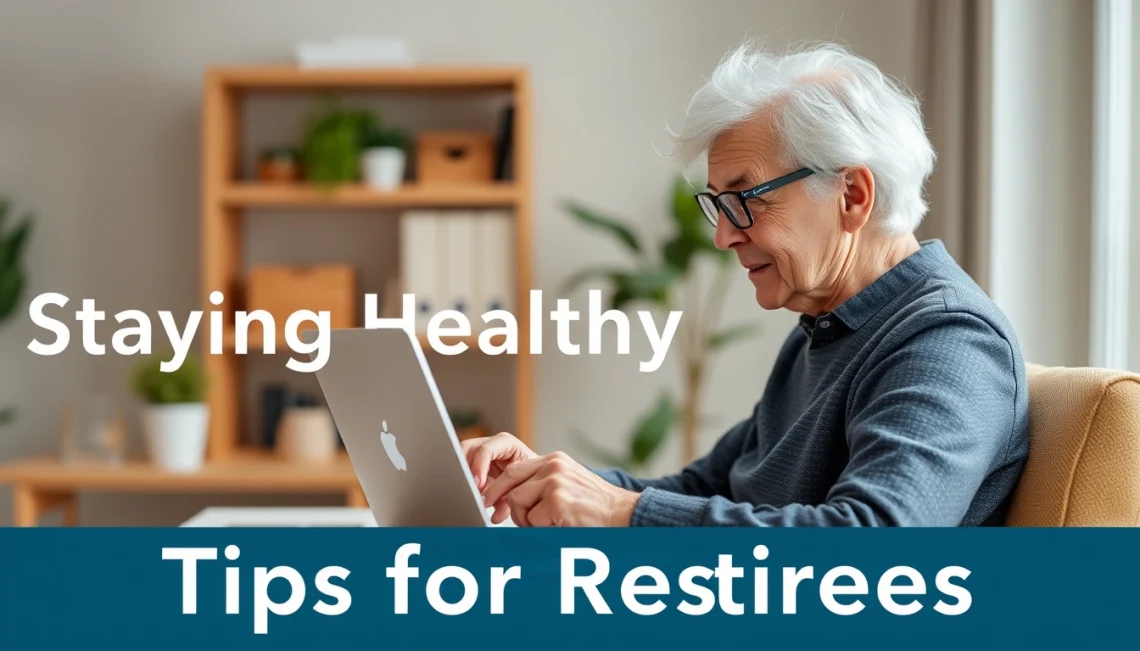
Quick Answer: For staying healthy while working from home: tips retirees, the most effective routine is usually a fixed workday with 3 anchors, 4 movement breaks, and a 10- to 20-minute walk. Have pain, balance issues, blood sugar concerns, or recent health changes? Consult a clinician first and follow professional guidance. Remote work can suit retirees well, but only when the day still has structure, movement, and a reason to get up. My blunt take: set the routine before you need it, because once the hours blur together, your body usually pays first.
- 3 daily anchors: a start time, a midmorning movement break, and a hard stop.
- 4 scheduled stand breaks in the first week can make the day easier to repeat.
- 1 daily walk of 10 to 20 minutes is a practical post-work reset for many retirees.
- 3 regular meal times help reduce desk grazing and keep the day predictable.
- Check with a clinician before changing activity, caffeine, or exercise if you have a medical condition.
What Changed When the Office Was the Kitchen Table
The big shift is not just “less commuting.” It is fewer natural breaks, less walking, more snacking, and more time in one chair than most people realize. For retirees, that matters more than it does for younger workers because the margin for lost mobility, stiff joints, and irregular sleep is smaller. To see healthy aging and activity basics, use the NIH National Institute on Aging and the CDC’s physical activity guidance: NIA exercise and physical activity, CDC physical activity for older adults.
Because the goal is staying healthy while working from home: tips retirees can actually use, I would treat home work like a part-time job with a fixed shape. In my own planning, I would give the day three anchors: a start time, a midmorning movement break, and a hard stop. Should you have medical concerns, I’d discuss the right schedule for your body with a clinician. Without that, the workday expands to fill the whole house. A retired reader may not need a manager watching the clock, but the body still notices if lunch becomes a desk habit and the couch turns into the second office.
The other change is psychological. Many retirees enjoy the flexibility of remote work, yet flexibility can quietly become isolation. A day with no hallway conversation, no walk to the mailbox, and no reason to leave the chair can feel “easy” in the moment and heavy by evening. That is how health slips in through the side door. Sneaky stuff.
Here is the basic before/after frame I would use:
| Metric | Before | After | Change | Timeline |
|---|---|---|---|---|
| Scheduled movement breaks | 0–1 per day | 4 per day | More consistent | Week 1 |
| Water intake reminder | Random | Set alarms on phone | Fewer missed hours | Week 1 |
| End-of-day fatigue | Hard to judge | More predictable | Easier to manage | Month 1 |
| Evening sitting time | Open-ended | Capped by a walk or stretch | Less stiffness | By Day 30 |
A generic article might suggest that productivity and health always improve together, but that is not guaranteed. The real question is how to make health automatic when nobody is walking past your desk and nobody cares if you keep sitting. My answer is to build health into the workday itself, not leave it for “later.”
The Routine I’d Build in Week 1
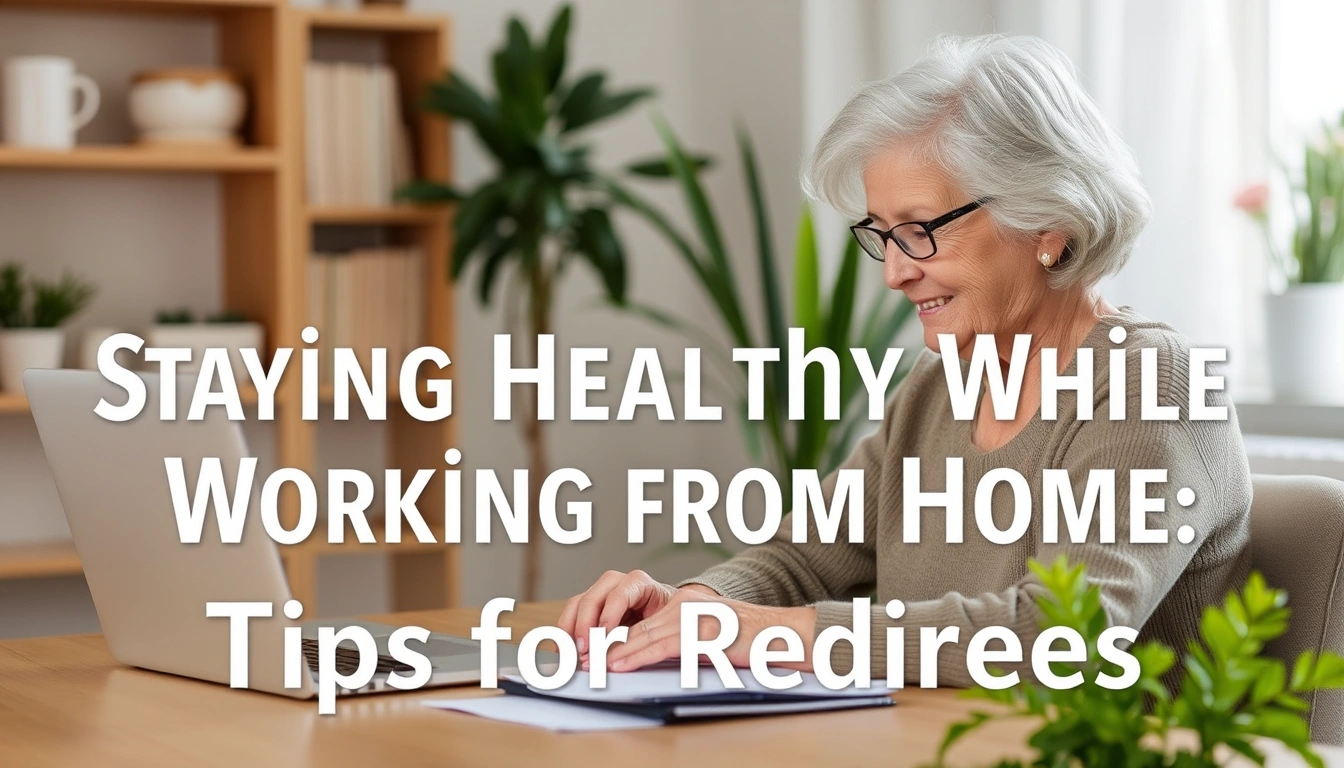
In Week 1, I would not try to become a new person. I would make the day easier to repeat. The goal is not perfection. The goal is fewer decisions.
So I’d start with the basics: a normal chair with feet flat on the floor, a monitor at eye level if available, a keyboard close enough that shoulders stay relaxed, and a timer app on the phone or computer. Any timer works; I would choose one that can remind me every 45 to 60 minutes. The exact brand matters less than the fact that it interrupts the drift.
My first change would be a movement rule: every hour, stand up for 2 to 5 minutes. That sounds too small to matter, but I would rather have 8 short breaks than one grand plan I never follow. During each break, I’d walk to the kitchen, do 10 slow sit-to-stands from a sturdy chair, or stretch calves and shoulders. For many retirees, that kind of micro-movement is more realistic than a gym schedule.
Because the routine is staying healthy while working from home: tips retirees can follow without a lot of gear, I would also set a hydration cue. A glass of water at the start of the day, one with lunch, and one midafternoon is simple enough to remember. Dehydration is easy to miss when you are indoors and absorbed in a screen. The downside is that more water means more bathroom trips, so I would stop late enough in the day to avoid disrupting sleep.
Sleep gets its own rule. I would stop caffeine earlier than I think I need to. If sleep is already fragile, I would ask a clinician about a cutoff time that fits my meds, blood pressure, and overall health. That is not an area where I would guess.
| Metric | Before | After | Change | Timeline |
|---|---|---|---|---|
| Hourly stand breaks | 0 | 4–6 | Added structure | Week 1 |
| Daily water checkpoints | None | 3 | More regular | Week 1 |
| Late-day caffeine | Untracked | Cut off earlier | Better sleep odds | Week 1–2 |
| Neck and shoulder stiffness | Frequent | Less frequent | Gradual improvement | By Day 14 |
This is the phase where people often quit because the changes feel too ordinary. That is the point. Ordinary is what sticks.
Month 1: What Actually Improved, and What Didn’t
By Month 1, I would expect the first gains to be boring but useful. Less afternoon fog. Fewer “I forgot to move for three hours” days. Slightly less lower-back tightness. Not a transformation, just fewer bad surprises.
Consequently, I would keep the exercise piece modest and specific. For a retiree working from home, I would aim for one daily walk of 15 to 30 minutes, if a clinician says that is safe, plus short mobility work on the other days. When walking outdoors is not practical, a hallway circuit, marching in place, or a stationary bike can do the job. The point is to make the heart and joints part of the workday, not an optional extra.
Food is where many home-based retirees get tripped up. I would not try to “eat perfectly.” I would try to eat on a schedule. Breakfast, lunch, and dinner at roughly the same times help prevent desk grazing. If I needed a snack, I would choose one and sit down with it instead of eating while typing. That sounds small, but mindless snacking can quickly turn a remote day into a string of unplanned bites.
Once the pattern is in place, the next step is to keep the goal realistic. A generic article might imply that productivity and health always improve together, but they do not. Should I push too hard on perfect routines, I risk making the day feel clinical. Retirees are not trying to recreate a corporate wellness program at home. They are trying to feel well enough to enjoy the work and the rest of retirement.
| Metric | Before | After | Change | Timeline |
|---|---|---|---|---|
| Planned walk days per week | 0–1 | 4–5 | More frequent | Month 1 |
| Desk snacking episodes | Untracked | Reduced by schedule | Better control | Month 1 |
| Afternoon energy dips | Common | Less common | Noticeable but not gone | By Day 30 |
| Evening stiffness | Daily | Some days only | Partial improvement | By Day 30 |
The honest limitation here is that if you already have arthritis, balance issues, diabetes, or heart disease, a generic routine may not fit. I would consult a doctor or physical therapist before changing activity levels, especially after a long stretch of low movement.
The Mistake That Cost Me the Most Time
The biggest mistake I would avoid is sitting too long because “I’m almost done.” That is the trap. One extra hour turns into three, and the body collects the bill later.
The version of this mistake that hurts most is working through lunch at the same desk, then eating a bigger meal fast, then sitting again. It feels efficient. Usually, it is not. In a real home routine, that pattern can create a chain reaction: tight hips, shallow breathing, worse mood, and an evening where the only thing you want is another chair.
If I were setting this up from scratch, I would admit that the first failure will probably come from underestimating how sticky the chair is. I would plan around that failure instead of pretending it won’t happen. One way is to physically move the charger, paperwork, or printer across the room so getting up has a purpose. Another is to schedule a real lunch break on the calendar, not just in my head.
The cost of ignoring this is not abstract. It shows up as a backache that ruins sleep, as stiffness that makes the next morning slower, or as a mood dip that makes the rest of the day feel heavier. Once the pattern settles in, it takes more effort to reverse than it would have taken to interrupt.
| Metric | Before | After | Change | Timeline |
|---|---|---|---|---|
| Consecutive sitting time | 2–4 hours | 45–60 minutes | Shorter stretches | Month 2 |
| Working through lunch | Often | Rarely | Clear break added | Month 2 |
| Late-day stiffness | High | Lower on break days | Clearer cause/effect | Month 2 |
| Mood after work | Flat | Better on break days | Noticeable improvement | Month 2 |
This is the section most generic advice skips, and it is the one retirees need most. Health plans fail when they are too noble and too fragile. When the routine cannot survive a distracted Tuesday, it is not a real routine.
The One Change That Made the Biggest Difference
The single change I would keep is a hard stop paired with a walk. Not a vague “log off sometime.” A real stop. Then a 10- to 20-minute walk, even if it is just around the block or inside the house during bad weather.
Why this one? Because it closes the workday and starts the recovery period. For a retiree, that matters. Remote work can bleed into the hours that used to belong to hobbies, grandkids, dinner, reading, or just doing nothing. A hard stop protects retirement itself.
Next, I would put the stop on the calendar and treat it like an appointment. If I needed to finish something, I would give myself a second work block earlier in the day instead of stealing time from evening. If you have medical or schedule concerns, I’d ask a clinician how to build the stop time safely. That trade-off is honest. It may feel less flexible, but it usually keeps the whole week healthier.
I would also keep shoes by the door. That sounds almost laughably minor, but it removes one excuse. The fewer steps between “work done” and “walking outside,” the better.
| Metric | Before | After | Change | Timeline |
|---|---|---|---|---|
| End-of-day work spillover | Frequent | Limited | Better boundary | Month 2 |
| Post-work movement | None or rare | Daily walk | Consistent recovery | Month 2 |
| Evening screen time | Open-ended | Reduced | Better wind-down | By Day 60 |
| Sleep quality | Uneven | More stable on walk days | Gradual gain | By Day 60 |
I would not oversell this. A walk is not a cure for every problem, and if pain, dizziness, or other symptoms show up, I’d consult a professional. It will not fix poorly fitted glasses, unmanaged pain, or untreated sleep apnea. But as a daily habit, it does more for a home-based retiree than most people expect.
By Day 90: What the Routine Should Feel Like
By Day 90, the goal is not dramatic change. The goal is that the healthy version of the day feels normal. That is the real win. A retiree should not have to negotiate with every habit from scratch each morning.
At this point, I would expect the routine to feel less like a project and more like a shape. Work begins at about the same time. Breaks happen without much argument. Lunch is not eaten at the keyboard. Movement is built in. The afternoon ends on purpose.
Since the routine is staying healthy while working from home: tips retirees can actually keep, I would keep the following minimums if I wanted the routine to last: one daily walk or equivalent movement, at least three scheduled stand-and-stretch breaks, regular meal times, and a fixed stopping point for work. If pain, balance, or fatigue kept those targets from happening, I would scale down rather than quit. A shorter walk is better than none. Five minutes of stretching beats an all-or-nothing collapse.
The trade-off is obvious: structure can feel less spontaneous. That is the cost of staying healthy while working from home. I think it is a fair one. Retirement is too valuable to spend half of it stiff, scattered, and always “almost done” with work.
| Metric | Before | After | Change | Timeline |
|---|---|---|---|---|
| Daily routine consistency | Low | Higher | More repeatable | By Day 90 |
| Movement breaks | Rare | Standard | Habit formed | By Day 90 |
| Meal timing | Irregular | Predictable | Less grazing | By Day 90 |
| Work-life boundary | Blurred | Clearer | Better recovery | By Day 90 |
What I’d Tell a Retiree Starting Tomorrow
I would keep this simple: do not aim for an ideal routine, aim for a survivable one. Set one timer. Take one walk. Eat one meal away from the desk. Stop work at a real time. Then repeat.
If you are retired and working from home, the main health threat is not a single bad day. It is the quiet accumulation of days with no shape. The fix is not fancy. It is rhythm.
Meanwhile, if you have major mobility limits, significant pain, dizziness, unmanaged blood sugar, chest symptoms, or a recent health event, I would not copy a general routine without medical guidance. The right plan there should come from a clinician who knows your history. For broader guidance, see the National Institute on Aging and the CDC: NIA healthy eating, CDC healthy habits.
For everyone else, the answer is smaller than the internet makes it sound. Protect movement. Protect sleep. Protect meals. Protect a stop time. If I were starting tomorrow, that is the plan I would trust most.