Last updated: August 09, 2026
Quick Answer: For many seniors, remote bookkeeping, tutoring, customer service, virtual assistant work, transcription, medical billing, proofreading, and data entry are practical places to start in remote jobs seniors — complete guide searches and planning. Pay varies by employer and skill level, so treat any “best” claim as a starting point, not a promise; check a career adviser, training provider, or financial professional prior to paying for training or accepting an offer.
Key Facts / Key Takeaways
- Bookkeeping, tutoring, and proofreading often fit people who already have office, teaching, or writing experience.
- Customer service and virtual assistant work can be easier to enter, but they may come with fixed shifts and tighter rules.
- Medical billing and coding usually need training or certification. Check a training provider or career adviser prior to paying for a program.
- Transcription and data entry can be flexible, but pay and workload vary a lot by platform and employer.
- A laptop, headset, and reliable internet are enough for many of these roles.
- Part-time remote work is often easier to sustain in retirement or semi-retirement than full-time remote work.
A quiet desk. A laptop. A paycheck that does not require a commute. That is the basic promise here.
Remote work in retirement has one simple test: can you keep doing it without dreading the schedule? In the remote jobs seniors — complete guide, the jobs that hold up are the ones that use skills you already have and skip heavy physical effort. Clear tasks help too.
This remote jobs seniors — complete guide was written for seniors who want income without commuting, lifting, or a packed calendar. You do not need a huge job search. You need a short list that fits your energy and your skills.
This guide grew out of work-from-home tools, remote hiring, and practical career choices for older adults. That does not make every option equally good. Some are plainly easier to fit into real life. Honestly, that trade-off matters more than glossy job ads. For most readers, the smarter move is to choose one lane and test it before chasing every opening online.
Quick-Pick Comparison Table
| Role | Best for | Why it offers an edge | Typical setup |
|---|---|---|---|
| Bookkeeper | Seniors with office or small-business experience | Familiar work, recurring tasks | Accounting software, spreadsheet software |
| Tutor / Online Instructor | Former teachers and subject experts | Uses existing knowledge well | Video calls, lesson tools |
| Customer Service Representative | People who stay calm and communicate clearly | Often easier to enter than many roles | Headset, computer, ticketing system |
| Virtual Assistant | Organized seniors who like variety | Flexible mix of admin tasks | Email, calendar, cloud files |
| Transcriptionist | Good listeners who like quiet, solo work | Low social pressure | Audio playback, typing tools |
| Medical Biller / Coder | Seniors with healthcare office experience | Structured, detail-heavy work | Specialized software, compliance rules |
| Proofreader / Editor | Strong readers and grammar-minded seniors | Quiet work that uses language skills | Word processor, track changes |
| Data Entry Specialist | People who want simple, repetitive work | Easy to understand at a glance | Spreadsheet software, database forms |
How I Picked These Jobs
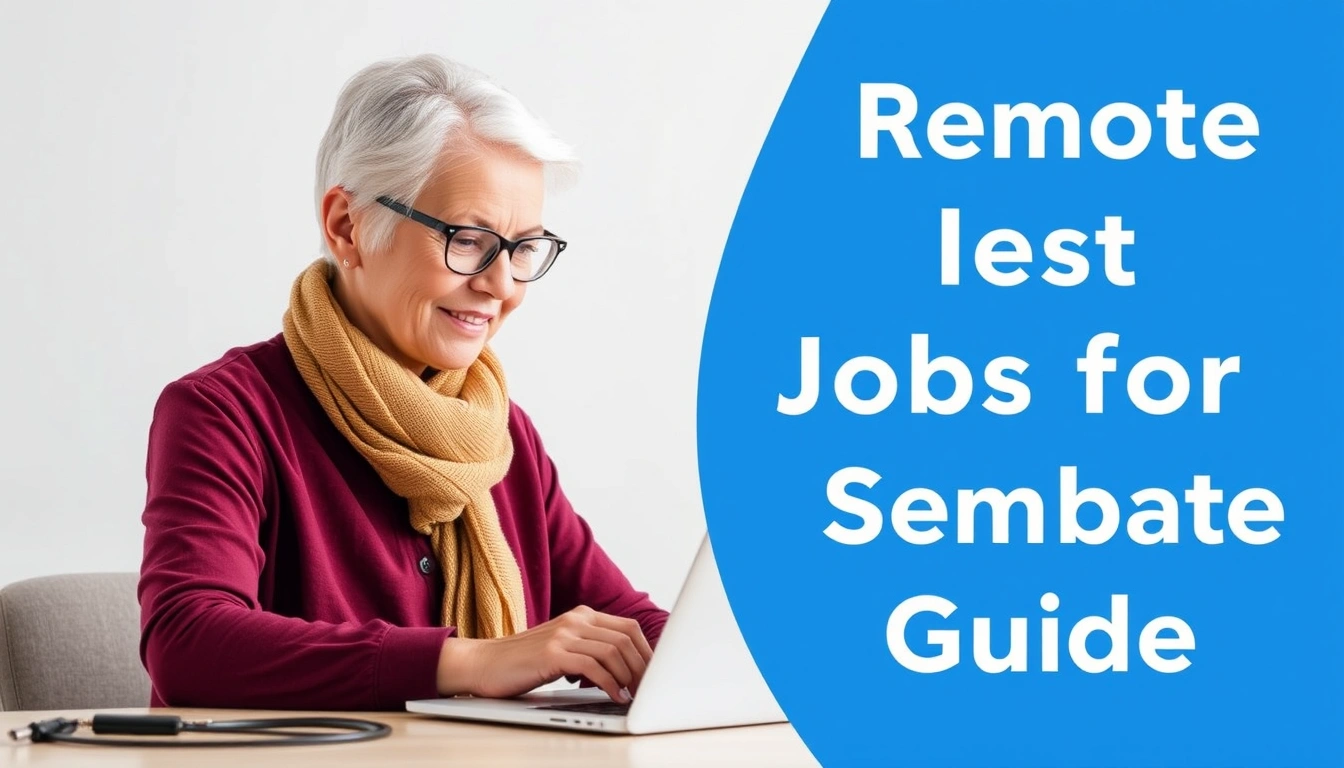
These jobs were not chosen because they sound trendy. They made the list because older adults can often do them with skills they already have.
My filter was simple:
- Low physical strain. No standing all day, no lifting, no field travel.
- Flexible entry paths. I favored jobs that can use decades of work experience, not just a recent degree.
- Remote-friendly tools. The work has to happen on a laptop, a headset, or a simple video setup.
- Real demand. I left out trendy jobs that look easy but are hard to land consistently.
- Predictable rhythm. I looked for work with clear tasks, fewer interruptions, and room for part-time schedules.
- Honest drawbacks. Every job below has trade-offs. None is a free pass.
Not everyone wants the same thing from remote work. A retired bookkeeper and a retired teacher are starting from different strengths. A senior who wants pocket money has different needs than someone trying to replace a paycheck. So the right choice depends on your stamina, your comfort with computers, and how much structure you want in a day. Should money be tight, talk with a career counselor or financial planner before you commit.
Best Overall: Bookkeeper
Bookkeeping is a strong all-around remote job for many seniors because it rewards experience, attention to detail, and a steady routine. Have you handled invoices, reconciliations, payroll support, or office records? Then this can be a clean move into remote work.
For someone who wants practical work without constant sales calls or frantic customer pressure, I would start here. Bookkeeping also scales well. You can work for a solo entrepreneur, a small nonprofit, or a few customers at once. Nice and neat.
Who it’s for
- Retired office workers
- Former accountants or assistants
- Detail-oriented seniors who like orderly tasks
- People who want part-time, recurring work
Pros
- Familiar skill set for many older workers
- Usually predictable and process-driven
- Easier to build recurring work than many gig jobs
- Often part-time friendly
- Remote tools are straightforward once set up
Cons
- Accuracy matters a lot; mistakes can be costly
- Some customers expect recent software knowledge
- Tax and compliance work can get stressful near deadlines
- Not ideal if you dislike numbers or repeated checking
Key specs
- Core tools: Accounting software, spreadsheet software, secure file sharing
- Typical work style: Monthly or weekly recurring tasks
- Ideal schedule: Part-time, deadline-based
- Best background: Office administration, finance, small business support
Compare software bundles before you buy. Check Amazon, Walmart, Best Buy, and the software maker’s site so you can compare support and pricing. A quick review from a bookkeeper or accountant can help you avoid paying for tools you will not use. That savings is real.
Best for Teaching Skills: Tutor / Online Instructor

Years of teaching, training, coaching, mentoring, or explaining things clearly can transfer well here. Online tutoring is among the most natural remote jobs for seniors, and it lets you turn know-how into income without needing physical stamina.
This suits seniors who still enjoy people but want fewer surprises than a classroom or office. It also works for retired professionals with knowledge in math, reading, test prep, languages, music, or career skills. In some cases, one or two students a day is enough to make the work worthwhile. One student can be plenty.
Who it’s for
- Former teachers
- Trainers and workshop leaders
- Retired professionals with subject expertise
- Patient communicators who like one-on-one work
Pros
- Uses life experience directly
- Can be scheduled in short blocks
- Strong fit for bilingual seniors and subject experts
- Often meaningful work, not just transactional work
- Some platforms let you set your own availability
Cons
- You may need to stay on camera
- Some students need a lot of emotional energy
- Scheduling can become choppy
- Subject demand changes by season
Key specs
- Core tools: Computer, webcam, microphone, stable internet
- Work format: Live video sessions or recorded lessons
- Best background: Teaching, coaching, professional expertise
- Schedule style: Flexible, but often appointment-based
Check the platform itself before buying gear. Sign-up rules and payment terms matter more than a webcam upgrade. Should you be unsure whether your subject is in demand, ask a school, tutoring platform, or local adult-education program before you spend much time on setup. No guessing games.
Best for Steady Customer Interaction: Customer Service Representative
Remote customer service suits seniors who stay calm on the phone, follow a script, and keep several systems straight at once. It can be a strong option if you want regular hours and do not mind structured work.
I would suggest this to someone who likes helping people but does not want the pressure of selling. It is not a light job, though. Some calls are repetitive, some customers are irritated, and the emotional load can wear on you. Still, the role is easy to understand and easy to compare with other entry-level remote work. Bit of a grind, honestly.
Who it’s for
- Patient talkers
- Former receptionists, clerks, or office staff
- Seniors who want predictable shifts
- People who prefer clear expectations
Pros
- Easy to understand at a basic level
- Training is commonly provided
- Many roles are part-time or shift-based
- Can be done from home with modest equipment
- Good fit for people who speak clearly and stay organized
Cons
- Repetitive calls can wear you down
- Some companies use strict monitoring
- Hard conversations happen on the clock
- Script-heavy work may feel limiting
Key specs
- Core tools: Headset, computer, internet, CRM or ticketing software
- Work style: Phone, chat, or email support
- Best background: Office, reception, help desk, retail support
- Schedule style: Shift-based, often fixed
Compare headsets and laptop stands before you buy. Amazon, Walmart, and Best Buy often show different prices for similar gear. Should you be job hunting, check company career pages directly as well, because benefits and schedules vary widely. A 20-minute mock call can tell you quickly whether the pace feels right.
Best for Organized Multitaskers: Virtual Assistant
Virtual assistant work is a broad category. That helps and hurts at the same time. Email management, scheduling, travel planning, data entry, file organization, light research, or customer communication may all be part of the mix. For a senior who is naturally organized, it can be a nice blend of variety and control.
I like this category for retirees who want flexible work and do not mind wearing several hats. The drawback is that “virtual assistant” can mean almost anything, so you need to be clear about the tasks you will handle. Otherwise, the scope can go sideways fast.
Who it’s for
- Former executive assistants
- Organized managers and administrators
- Seniors comfortable with email and calendars
- People who like variety more than routine
Pros
- Many possible niches
- Can start part-time
- Often relies on soft skills and common sense
- Good for people who are reliable and thorough
- You can narrow your services over time
Cons
- Job descriptions can be vague
- Some customers expect too much for too little
- Scope creep is common if you do not set limits
- Requires self-management and boundaries
Key specs
- Core tools: Email, calendar apps, spreadsheets, cloud storage
- Work style: Administrative support, often remote
- Best background: Office management, scheduling, operations support
- Schedule style: Flexible, customer-driven
Compare ergonomic accessories before you buy. A mouse or external keyboard can matter more than most people expect if you spend long hours on admin work. Should you be choosing between this and bookkeeping, ask which task set feels better: calendar work or record keeping.
Best Quiet Solo Work: Transcriptionist
Transcription is one of the quieter remote jobs for seniors. You listen to audio and turn it into text. If you have good hearing, steady concentration, and decent typing speed, this can be a practical way to earn from home without much social pressure.
I would not call transcription glamorous, and that is part of its appeal. Straightforward work. For the right person, that simplicity is a feature. It also pairs well with other low-stress work, such as proofreading or part-time tutoring.
Who it’s for
- Seniors who like focused, independent work
- Good listeners with strong attention to detail
- Fast or accurate typists
- People who prefer minimal customer interaction
Pros
- Low social stress
- No sales calls or constant meetings
- Can often be done on a flexible schedule
- Good fit for disciplined workers
- Easy to understand as a job concept
Cons
- Pay can be uneven depending on the source
- Audio quality is not always good
- Repetitive listening can be tiring
- Requires concentration and patience
Key specs
- Core tools: Computer, headphones, transcription software, text editor
- Work style: Audio-to-text conversion
- Best background: Office work, clerical work, editing, fast typing
- Schedule style: Flexible, solo, deadline-based
Compare headphones before you buy. Comfort matters when you are listening for long stretches. Should you plan to use a transcription platform, check its direct site for workflow and pay structure before buying extras. That short trial project can show whether the pace suits you.
Best for Healthcare-Adjacent Experience: Medical Biller / Coder
Medical billing and coding is a strong remote lane for seniors who have worked in healthcare administration, medical offices, insurance processing, or claims support. It is detail-heavy and rule-driven, which is exactly why it can work well for seasoned workers who like structure.
I would recommend this only to someone who is willing to learn terminology, software, and compliance rules. It is not a casual side hustle. It can become solid remote work, but it asks for serious attention. Prior to paying for a course, consult a training provider, career adviser, or healthcare professional about certification expectations.
Who it’s for
- Former medical office staff
- Insurance or claims workers
- Detail-oriented retirees who like process work
- People comfortable with compliance-heavy tasks
Pros
- Strong fit for health-sector experience
- Remote-friendly once trained
- Structured work with clear outputs
- Good for people who like accuracy and systems
- Often less chaotic than front-desk healthcare work
Cons
- Steeper learning curve than simple admin jobs
- Accuracy and compliance are non-negotiable
- Software can feel technical at first
- Not a quick pick-up-and-go option
Key specs
- Core tools: Medical billing software, coding resources, secure systems
- Work style: Claims, records, coding, reimbursement support
- Best background: Healthcare admin, insurance, office processing
- Schedule style: Often set hours or project deadlines
Compare training options before you spend money on gear. In this field, the bigger cost is usually the training path, not the chair or desk setup. A medical billing association, training school, or career adviser can help you judge whether a program is worth it. Worth every minute? Sometimes. Not always.
Best for Strong Readers and Grammar Lovers: Proofreader / Editor
Proofreading and light editing are solid remote options for seniors with sharp eyes, patience, and a long memory for clean writing. If you have spent years correcting reports, letters, newsletters, or academic work, this may be among the most natural remote jobs you can do.
I prefer this for people who enjoy language and can sit with the same page for a while without getting bored. It is not a good fit if you skim quickly or hate detail work. The better you are at catching small errors, the more useful this work becomes. Tiny slips matter.
Who it’s for
- Retired teachers, writers, journalists, admins
- Seniors with strong grammar instincts
- People who enjoy quiet concentration
- Careful readers who catch small errors
Pros
- Can be done from home with very little equipment
- Flexible and often project-based
- Uses skills many seniors have already built
- Can pair well with other part-time work
- Low physical strain
Cons
- Work can be inconsistent
- Tight deadlines can create pressure
- Requires high focus for sustained periods
- Customers may expect more than “just” proofreading
Key specs
- Core tools: Word processor, track changes, style references
- Work style: Text review, correction, formatting
- Best background: Writing, editing, education, administration
- Schedule style: Flexible, project-based
Compare monitors and reading lights if you plan to spend long stretches on text work. Comfort matters more than fancy features. Should you be unsure whether you need proofreading, editing, or both, ask a writing professional or try a sample test from a reputable platform.
Best for Simple Data Work: Data Entry Specialist
Data entry is not exciting, but it is one of the easiest remote roles to understand if you want a straightforward task list and little emotional pressure. For some seniors, that is the point.
I would choose data entry for someone who values clear instructions and can stay accurate on repetitive work. It is best treated as modest, practical income, not a calling; should you be unsure, consult a career adviser or financial professional before you rely on it. Before you apply, compare data entry with bookkeeping or virtual assistant work. Pay can be similar, but the skill mix is different.
Who it’s for
- Seniors who are comfortable with basic software
- People who like repetitive, well-defined tasks
- Former office workers or clerks
- Anyone looking for low-social-interaction work
Pros
- Easy to grasp
- Often low in customer pressure
- Can be part-time or project-based
- Usually predictable work steps
- Good entry point for remote newcomers
Cons
- Can feel monotonous
- Some listings are poorly paid or vague
- Accuracy matters more than speed alone
- A lot of “data entry” ads are not well run
Key specs
- Core tools: Spreadsheet software, database forms, keyboard
- Work style: Inputting records, cleaning lists, updating systems
- Best background: Clerical work, records, administrative support
- Schedule style: Task-based, deadline-driven
Compare keyboards and desk accessories before you buy. Also check Walmart or Best Buy if you want to test comfort in person. Be skeptical of any listing that promises easy money for very little work. A legitimate posting should name the customer, the task, and the expected workload.
Remote Jobs for Seniors: What Are the Best Alternatives and vs. Options?
Before you choose one lane, it helps to compare the close alternatives.
Bookkeeping and data entry both use office skills, but bookkeeping usually pays for judgment while data entry pays for volume. Tutoring and customer service both involve people, but tutoring is often one-to-one and customer service is usually scripted. Proofreading and transcription can both be quiet, home-based work, yet proofreading asks for language judgment while transcription asks for listening speed. Virtual assistant work sits between admin and support, so it can suit seniors who want variety but not a narrow specialty.
If you want the lowest learning curve, data entry and customer service are usually simpler to start. If you want better use of prior experience, bookkeeping, tutoring, proofreading, and medical billing often make more sense. If you want the quietest setup, transcription and proofreading are hard to beat. Should variety matter most, virtual assistant work may be the better